The Product Delivery Gap: Why Great Ideas Die Before Release
Most roadmaps fail long before customers ever see them.
Every year, companies invest millions into brainstorming sessions, market research, and beautifully designed product roadmaps. Executives align on vision, designers craft pixel-perfect mockups, and sales teams prepare go-to-market strategies. Yet, a staggering number of these initiatives stall, lose momentum, or completely fall apart before reaching production.
The truth is simple: Most software products don’t fail because of bad ideas. They fail because organizations cannot deliver consistently.
When great ideas get lost in transit between concept and customer, you are facing the Product Delivery Gap. For CTOs, VPs of Engineering, and Product Executives, bridging this gap is not just an operational challenge—it is a strategic imperative that dictates market survival.
1. What Is the Product Delivery Gap?
At its core, the Product Delivery Gap is the disconnect between what a company plans to build and what actually reaches the market. It represents the friction, delays, and miscommunications that occur as an idea moves through the standard software development lifecycle.
To understand where this gap widens, let’s look at the traditional path a feature takes:
In an ideal organization, this pipeline flows smoothly. Ideas enter, code is written, quality is assured, and value is delivered to the customer.
However, in reality, the pipeline looks more like a leaky pipe. Value drops at every stage:
- Vision to Roadmap: Strategy gets diluted by changing market pressures.
- Roadmap to Engineering: Requirements lack clarity, leaving developers guessing.
- Engineering to Testing: Code sits in queues waiting for quality assurance.
- Testing to Deployment: Manual deployment checks slow everything down.
When the product delivery process breaks down at these intersections, the gap widens, and predictable software delivery becomes impossible.
2. Why the Product Delivery Gap Keeps Growing
Closing this gap would be simple if it were just an engineering problem. But the modern landscape of digital product delivery has grown incredibly intricate. The gap isn’t expanding because engineers are working less; it is expanding because the environment around them has become vastly more complex.
Technical and Organizational Complexity
Several factors contribute to this expanding friction:
- System Complexity: Moving from monolithic architectures to microservices has solved scalability issues but created massive integration hurdles.
- AI-Generated Code: While AI assistants help developers write code faster, they often lead to an influx of unreviewed, lower-quality code that chokes the QA pipeline.
- Distributed Teams: As global teams collaborate across time zones, the context surrounding product delivery management often gets lost in translation.
The Drag of Legacy Systems and Debt
According to the Google Cloud DORA Research, elite performers excel because they minimize operational drag. Unfortunately, many organizations are heavily weighed down by technical debt. When engineers spend 40% of their week just keeping old infrastructure alive, product roadmap execution inevitably falls behind.
Furthermore, shifting compliance landscapes—such as data privacy mandates or industry-specific regulations—add extra layers of approval that can paralyze a traditional delivery pipeline.
3. Common Bottlenecks That Prevent Great Products From Shipping
To fix a broken pipeline, you must first locate the blockages. While every organization is unique, certain delivery bottlenecks appear universally across tech teams.
Weekly Roadmap Whiplash
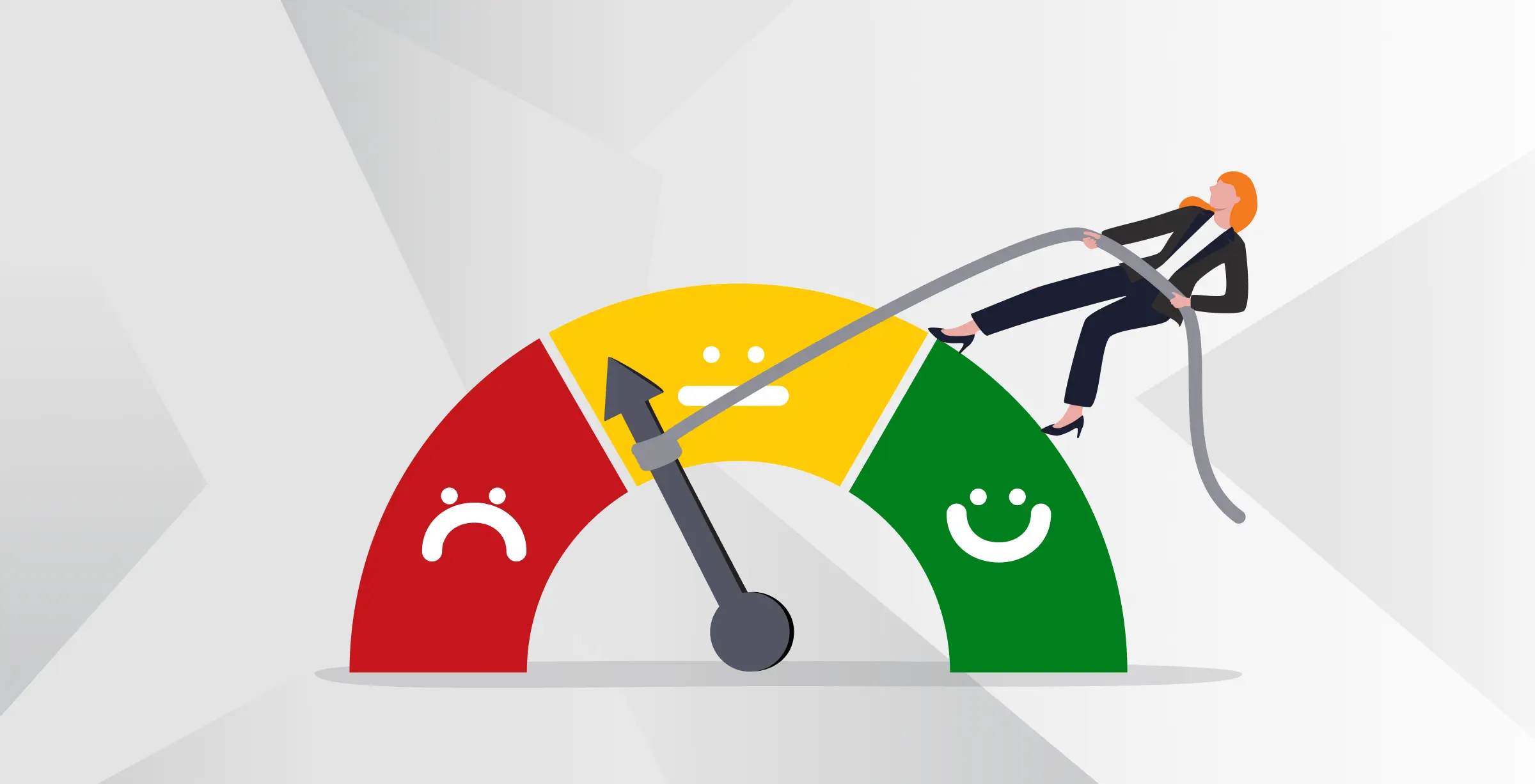
When priorities shift every single week, engineering teams cannot build momentum. Developers end up constantly context-switching, leaving half-finished code in stagnant branches. This constant changing of goals destroys predictability and makes consistent software execution an impossibility.
The “Throw it Over the Wall” Dynamic
When requirements lack clear context or acceptance criteria, developers are forced to make assumptions. Once the feature is built, it gets thrown over the wall to QA. The QA team, lacking context on what the feature is supposed to do, flags endless bugs. The resulting back-and-forth communication drains weeks of productive time.
The Manual Approval Standoff
In many legacy environments, code is ready for release, but it sits idle waiting for approval from a Change Advisory Board (CAB) or a security review. If your code deployment relies on a manual sign-off that only happens once every two weeks, your entire release management process becomes an operational bottleneck.
Without end-to-end ownership of the delivery process, code spends more time waiting than it does moving forward.
4. When Product and Engineering Stop Working as One Team
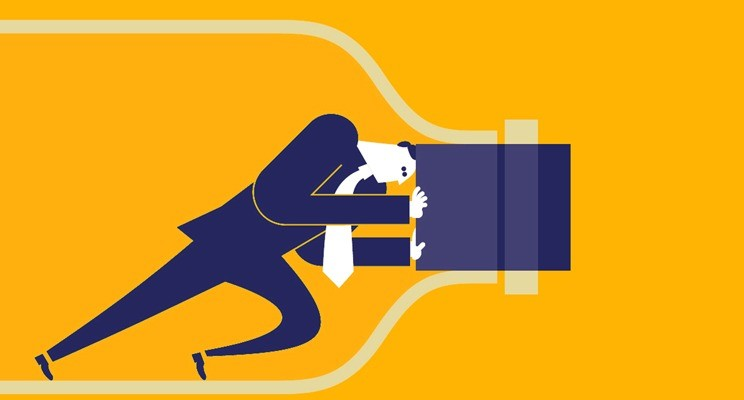
One of the most profound drivers of the Product Delivery Gap is organizational misalignment. When product management and engineering teams operate under conflicting incentives, the entire organization suffers.
Consider how different departments typically measure success:
| Role / Department | Primary Success Metric |
|---|---|
| Product Leadership | Feature Shipping & Value Metric Tracking |
| Engineering Teams | Sprint Velocity & Code Output |
| Quality Assurance | Defect Prevention & Software Quality |
| Operations / DevOps | System Stability & Uptime |
| Executive Leadership | Revenue Generation & Time-to-Market |
When these teams operate in silos, their goals naturally clash. Product managers press for immediate feature releases to meet market demands, while engineering focuses on refactoring code to ensure long-term stability. Operations, meanwhile, acts as a gatekeeper to protect system uptime.
As highlighted in the Atlassian Team Playbook, high-performing teams avoid this friction by fostering cross-functional collaboration. When product, engineering, and operations share the same core goals, they stop protecting their individual territories and begin focusing collectively on steady, predictable delivery.
5. Why Predictability Matters More Than Speed
When organizations realize they have a delivery problem, their instinctual reaction is usually: “We need to move faster.” They push for higher engineering velocity, demand more story points per sprint, and urge developers to type faster.
This approach misses the point entirely. Experienced technology leaders know that speed without predictability is dangerous.
- High Speed + Low Predictability = Chaotic Software Releases
- Moderate Speed + High Predictability = Business Success & Customer Trust
True engineering productivity is built on predictability. A business cannot confidently plan marketing campaigns, sign enterprise SLA agreements, or project quarterly revenue if the product delivery timeline resembles a lottery.
Predictable delivery builds profound trust—not just with customers, but with investors and internal stakeholders. It allows the business to make promises they can actually keep.
6. How High-Performing Teams Build Predictable Delivery Systems
Closing the Product Delivery Gap requires transitioning from a culture of ad-hoc project execution to building a sustainable engineering ecosystem.
Shared Ownership and Continuous Feedback
High-performing engineering organizations remove walls. Product managers, developers, and QA engineers collaborate from day one of the planning phase. By integrating quality assurance early into the process, potential blockages are identified before a single line of code is written.
Robust Automation and Small Releases
Modern agile product delivery relies on automation. Implementing automated testing pipelines ensures that code is continuously validated the moment it is committed. By breaking large, risky software releases into smaller, bite-sized updates, teams minimize the blast radius of any individual bug and drastically reduce deployment risk.
The Pragmatic Role of AI Assistance
AI tools are proving highly effective when integrated thoughtfully into the delivery process. Rather than relying on AI to write massive blocks of code, top teams utilize AI to:
- Automatically generate baseline test suites.
- Triage incoming bug tickets and predict potential deployment risks.
- Analyze historical sprint data to improve future project forecasting.
7. Where AI Fits Into Closing the Product Delivery Gap
AI is changing how we think about the software development lifecycle, but it is not a magic fix for broken processes. If you inject AI into a disorganized delivery pipeline, you will simply generate errors at a faster rate.
Instead, sophisticated engineering leaders deploy AI strategically to target specific friction points:
- Requirement Clarification: AI models can analyze draft product requirements, flagging ambiguities or missing edge cases before developers start writing code.
- Test Generation & Maintenance: AI tools can automatically write regression tests and update them when UI elements change, significantly easing the burden on QA teams.
- Predictive Release Risks: By scanning code repositories and historical pull request data, machine learning algorithms can flag complex changes that carry a high statistical risk of breaking production.
Leveraging AI to handle routine validation tasks allows human developers to focus on architecture, innovation, and resolving complex technical debt.
8. Measuring Delivery Performance Beyond Sprint Velocity
If you evaluate your team’s health solely by looking at sprint velocity or story points completed, you are tracking a vanity metric. Velocity measures output, not outcomes. It doesn’t tell you how long an idea took to go from your roadmap to a live customer environment.
To accurately gauge your delivery ecosystem, look to the framework established by the DORA Metrics documentation:
- Lead Time for Changes: The time it takes for a commit to successfully reach production.
- Deployment Frequency: How often your team successfully releases code to production.
- Change Failure Rate: The percentage of deployments that result in a failure or require an immediate rollback.
- Time to Restore Service (MTTR): How long it takes to recover from a production failure.
Beyond these technical benchmarks, you must track business-centric indicators like Time-to-Value and customer adoption rates. If a feature takes six months to deliver, its value to the market may have entirely evaporated by the time it arrives.

9. Product Delivery Gap in Highly Regulated Industries
The challenge of closing the delivery gap intensifies significantly within heavily regulated fields such as banking, fintech, healthcare, and insurance.
Operating under frameworks like GDPR, HIPAA, SOC2, or the EU AI Act means compliance cannot be an afterthought. In these spaces, security audits and governance checks are mandatory.
However, compliance shouldn’t mean agonizingly slow delivery. High-performing teams in regulated sectors achieve agility by baking compliance directly into their automated workflows.
Through automated policy enforcement, continuous security scanning within the CI/CD pipeline, and audit trails generated automatically by software, companies can maintain rigorous safety standards without grinding their release cycle to a halt.
10. How IMT Solutions Helps Organizations Close the Product Delivery Gap
Building a reliable, high-performing software engine requires specialized expertise, dedicated focus, and an objective look at your existing workflows. Many organizations are simply too close to their daily fires to properly fix the underlying machinery.
This is where IMT Solutions steps in. We specialize in partnering with technology leaders to diagnose delivery friction and execute meaningful turnarounds.
Whether you need a comprehensive Engineering Assessment to evaluate your current team structures, an Architecture Review to resolve system bottlenecks, or a targeted Delivery Assessment, IMT Solutions provides the engineering expertise required to transform your roadmap into real business value.
11. Conclusion
Great product ideas rarely fail because they are fundamentally bad. They fail because organizations struggle to move them from a digital roadmap into the hands of real customers.
Pumping more features into a broken pipeline will not drive business growth. True competitive advantage belongs to enterprises that actively optimize their delivery infrastructure, embrace cross-functional alignment, and prioritize execution predictability over raw speed.
Are you ready to eliminate the bottlenecks holding your engineering teams back? Contact IMT Solutions today to schedule an objective operational assessment and start turning your product vision into predictable reality.
FAQ
What is the Product Delivery Gap?
The Product Delivery Gap is the organizational friction and operational disconnect that occurs between designing a product roadmap and successfully shipping that software to customers.
Why do software releases get delayed?
Releases are generally delayed by shifting priorities, vague requirement descriptions, extensive manual testing queues, unmanaged technical debt, and a lack of clear ownership across the engineering lifecycle.
How do engineering bottlenecks affect business?
Delivery bottlenecks lead to missed market opportunities, wasted engineering investments, decreased customer satisfaction, and internal friction between product and technology departments.
How can CTOs improve delivery predictability?
CTOs can drive predictability by breaking down large projects into smaller releases, automating testing protocols, establishing shared cross-functional metrics, and minimizing technical debt.
What metrics should product leaders monitor?
Product leaders should focus heavily on DORA metrics—such as Lead Time for Changes, Deployment Frequency, and Change Failure Rate—alongside business metrics like Time-to-Value.
Can AI reduce the Product Delivery Gap?
Yes. When deployed mindfully, AI can streamline requirement analysis, automate repetitive test writing, and analyze development patterns to flag potential release risks before they occur.