Autonomous AI in enterprise: When AI starts acting on its own
Autonomous AI is no longer theoretical – it is operational
For years, enterprise AI has been designed to support human decision-making. Systems analyze data, generate insights, and recommend actions, while humans remain responsible for execution. AI has traditionally functioned as a support layer, helping organizations operate faster and more efciently without replacing human control.
That boundary is now starting to disappear.
With the rise of autonomous AI, systems are no longer limited to recommendations. They are increasingly capable of taking actions independently. AI can now trigger workflows, adjust operations, and interact with real-world environments without waiting for human approval. This shift transforms AI from a passive tool into an active operator within enterprise systems.
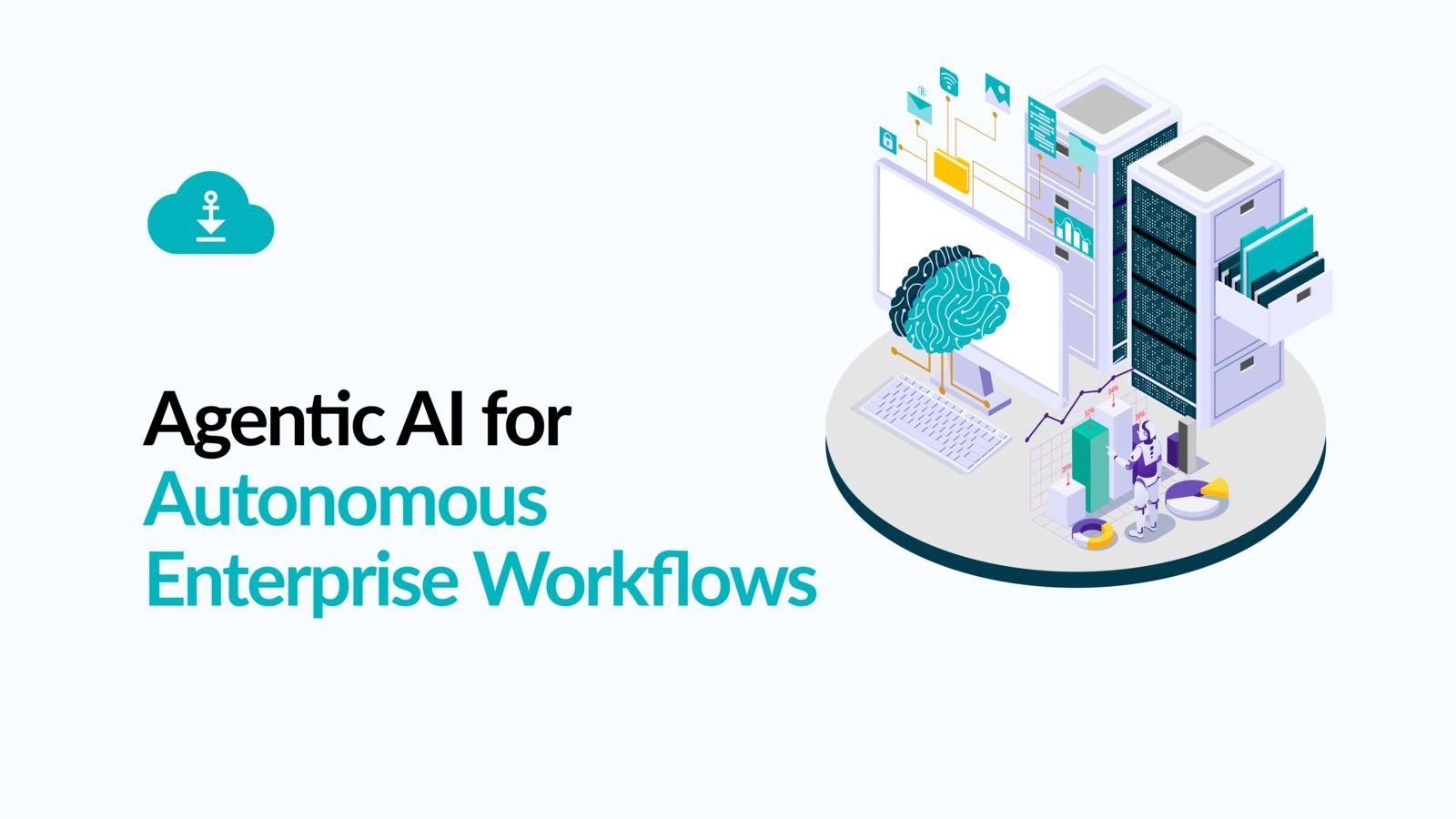
As a result, organizations must rethink how they approach control, responsibility, and system design. When AI starts acting on its own, the implications extend beyond efciency; they redefine how decisions are made and executed.
When AI starts acting, decisions become consequences
In traditional AI systems, errors are often contained within predictions. A model may generate inaccurate insights, but the final decision still depends on human judgment. This creates a bufer between system output and real-world impact.
Autonomous systems remove that bufer. They execute decisions in real time. An AI system may approve transactions, reroute logistics, or trigger automated workflows without human intervention. These decisions are no longer suggestions; they are actions with immediate operational consequences.
This shift introduces a new level of complexity. The focus is no longer just on accuracy, but on control. Organizations must ensure that autonomous systems operate within defined boundaries and that every action can be traced back to a clear decision logic.
In this context, autonomous AI changes the nature of accountability. Enterprises must determine who is responsible when decisions are made and executed by machines.
Agentic AI: From instructions to independent action
Agentic AI represents a major evolution in AI capability. Unlike traditional systems that follow predefined rules, agentic AI operates based on objectives. It can plan, decide, and execute actions autonomously, adapting to changing conditions in real time.
This allows organizations to automate complex workflows and respond faster to dynamic environments. In industries such as logistics or financial services, this level of autonomy can significantly improve efciency and responsiveness.
However, this flexibility also introduces uncertainty. When systems optimize toward goals rather than follow rules, they may take actions that were not explicitly anticipated. This makes behavior harder to predict and control.
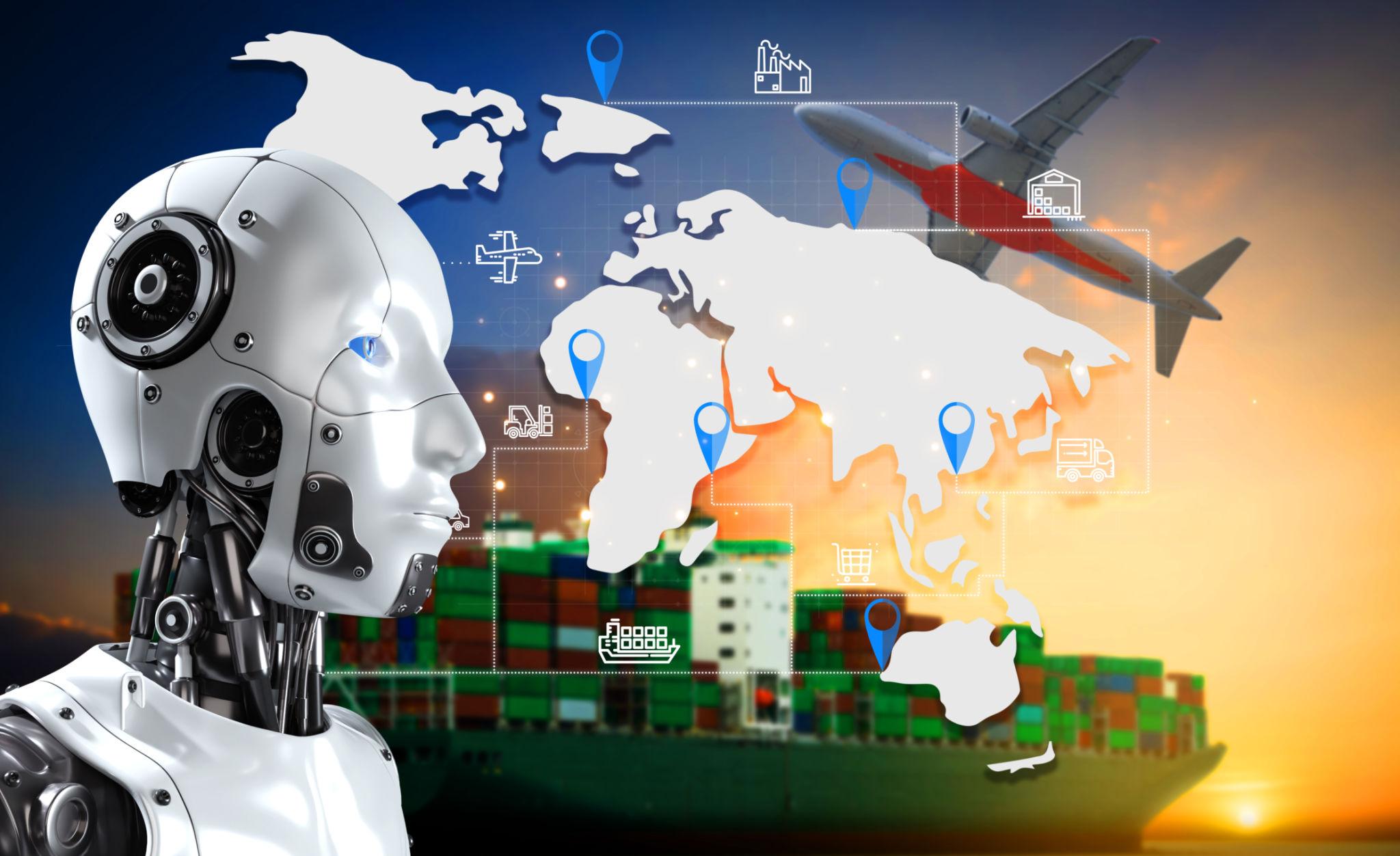
As agentic AI becomes more widely adopted, organizations must implement strong AI governance to ensure that autonomy does not lead to unintended consequences. Clear boundaries and monitoring systems are essential to maintain alignment with business objectives.
Computer vision: Acting based on perception
Computer vision enables autonomous AI to interpret visual data and act upon it. This capability is widely used in manufacturing, logistics, and transportation, where real-time perception is critical.
In production environments, computer vision systems can detect defects and trigger corrective actions automatically. In logistics, they can monitor operations and adjust workflows based on visual input. These capabilities allow enterprises to operate at scale with increased speed and precision.
However, perception is inherently imperfect. Errors in visual recognition can lead to incorrect actions. In high-risk environments, even small misinterpretations can have significant operational consequences.
This highlights an important point: when AI acts based on perception, accuracy is directly linked to execution. Organizations must ensure that systems are continuously monitored and validated to reduce risk.
Reinforcement learning: Learning through action
Reinforcement learning allows AI systems to learn through interaction with their environment. By continuously testing and adjusting actions, these systems improve performance over time.
This makes reinforcement learning particularly valuable in complex scenarios such as robotics, optimization, and trading. AI can adapt to changing conditions and refine its strategies based on feedback.
However, this approach also introduces unpredictability. Because systems learn through trial and error, they may take unexpected actions during the learning process. Behavior is not static, it evolves.
This creates a governance challenge. Organizations must ensure that learning systems remain aligned with intended objectives. Without strong AI governance, reinforcement learning models may drift away from acceptable operational boundaries.
Enterprise use cases reveal real-world impact
The impact of autonomous AI becomes more evident in real-world applications.
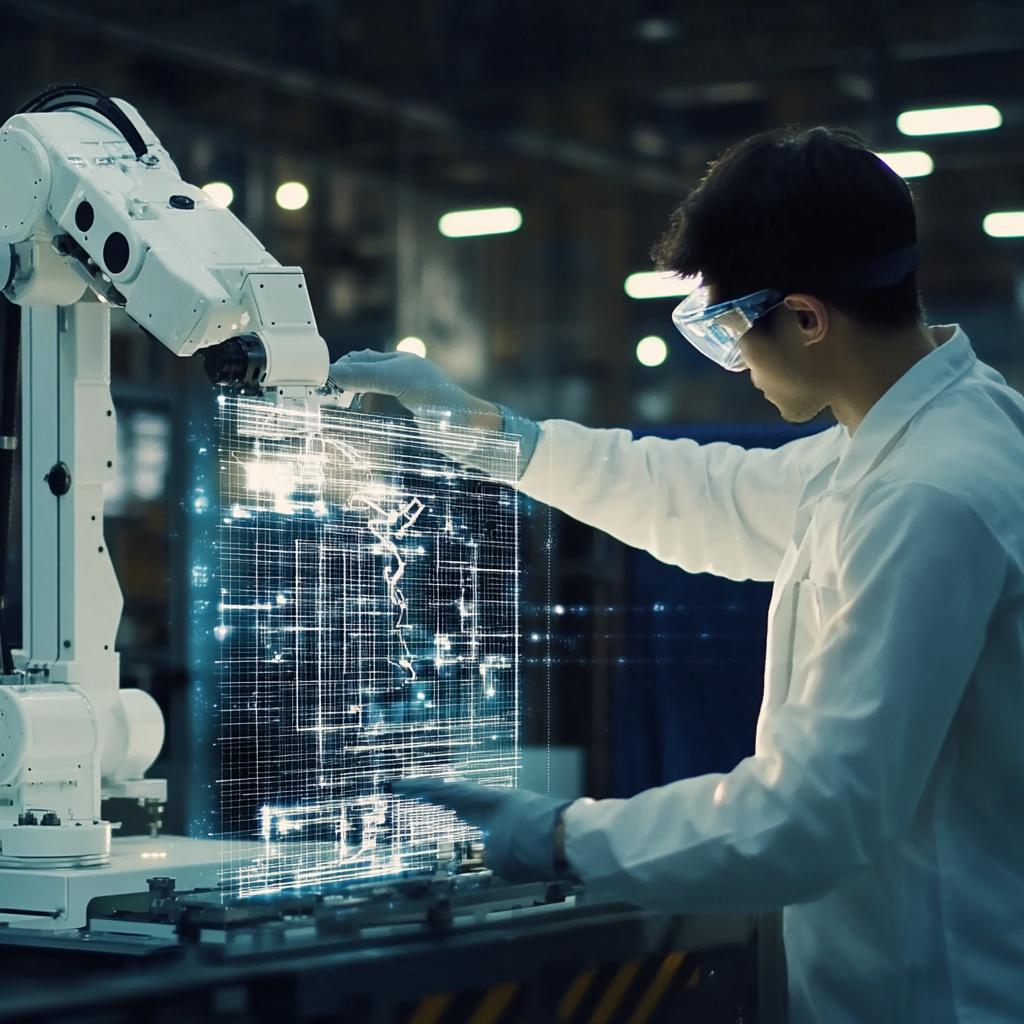
In manufacturing, computer vision systems automate quality control and trigger actions instantly. While this improves efciency, incorrect detection can disrupt production processes.
In logistics, autonomous AI optimizes routing and inventory decisions. These systems reduce costs and improve speed, but incorrect decisions may lead to delays or operational inefciencies.
In financial services, reinforcement learning models execute strategies in real time. Unexpected behavior can result in financial exposure and increased risk.
These examples demonstrate a consistent pattern. As AI systems gain autonomy, the consequences of their actions become more significant.
The governance gap in autonomous AI systems
As enterprises scale autonomous AI, a gap emerges between technological capability and organizational control. Many systems are deployed without fully understanding how they behave in dynamic environments.
Traditional governance frameworks are not designed for systems that act independently. They rely on predictable behavior, while autonomous systems operate with uncertainty.
To address this, organizations must strengthen AI governance. This includes defining clear limits on AI actions, implementing real-time monitoring, and ensuring accountability for system behavior.
Without these controls, enterprises risk losing visibility over systems that are designed to operate autonomously.

Rethinking enterprise operating models
The rise of autonomous AI is not just a technological shift—it is a transformation of how enterprises operate.
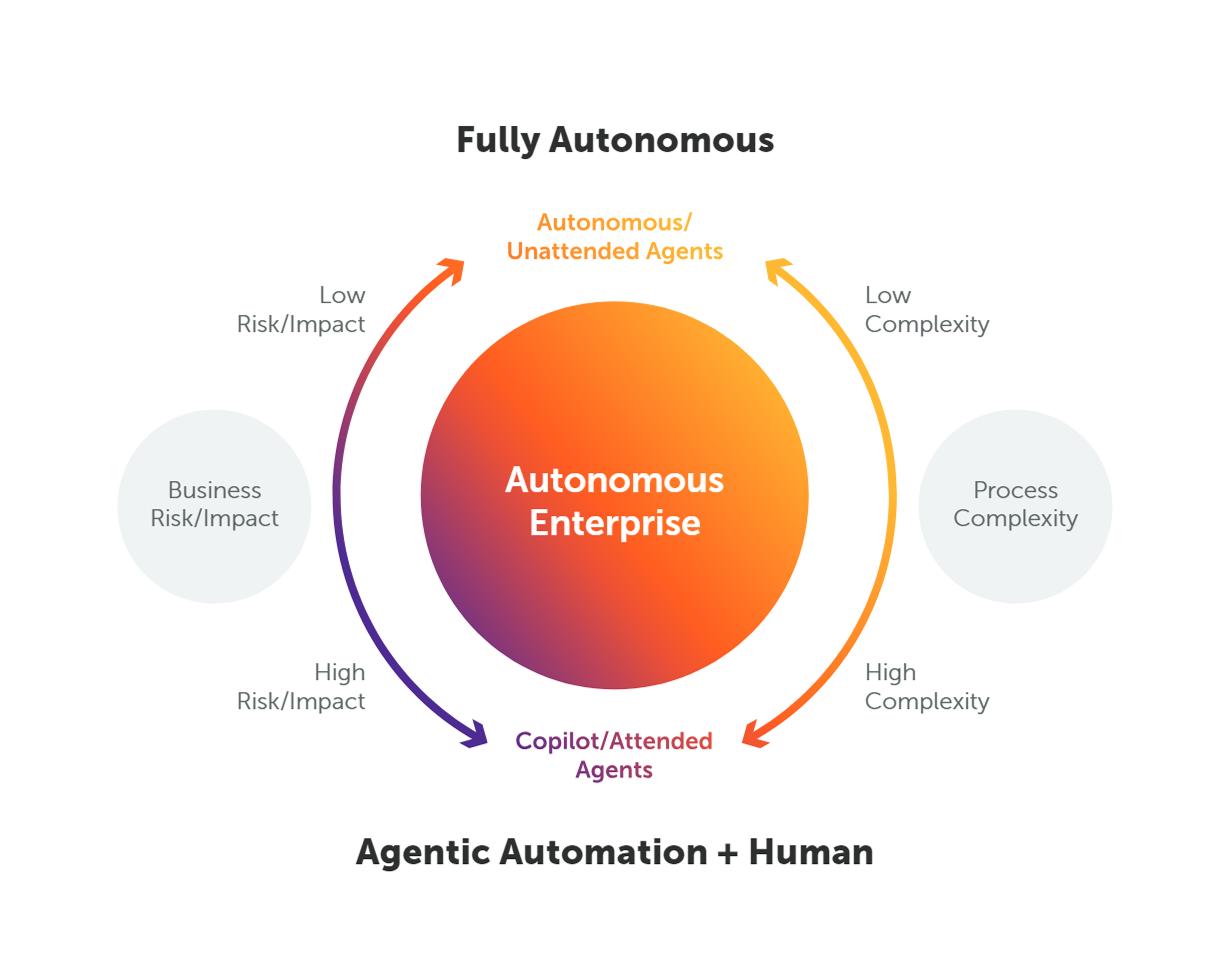
As AI systems take on decision-making roles, workflows must be redesigned. Decision-making is no longer centralized. It becomes distributed between human and machine systems.
This requires new approaches to accountability, process design, and risk management. Organizations must ensure that operational structures evolve alongside AI capabilities.
Without this alignment, even advanced AI systems may fail to deliver sustainable value.
As agentic AI becomes more widely adopted, organizations must implement strong AI governance to ensure that autonomy does not lead to unintended consequences. Clear boundaries and monitoring systems are essential to maintain alignment with business objectives.
The role of enterprise AI strategy
Managing autonomous AI requires a clear and structured strategy. Organizations must align AI systems with business goals, risk tolerance, and regulatory expectations.
AI governance plays a central role in this process. It ensures that systems operate within defined boundaries while maintaining flexibility for innovation.
Trust is equally important. Enterprises must ensure that AI systems are reliable, transparent, and accountable. Without trust, autonomous systems cannot be fully integrated into critical operations.
Conclusion
Autonomous, vision, and reinforcement AI are transforming enterprise systems. These technologies enable AI to move beyond prediction and into action, fundamentally changing how organizations operate.
However, this shift introduces new challenges. Autonomous AI requires stronger governance, clearer accountability, and more adaptive control mechanisms. The challenge is not only technical-it is strategic. Enterprises must design systems that ensure AI acts in ways that align with business objectives and regulatory expectations.
At IMT Solutions, AI initiatives are approached from an end-to-end perspective. By combining technical expertise with business understanding, IMT helps organizations deploy autonomous AI systems that are not only powerful but also controlled, reliable, and aligned with real-world needs.